

In This Guide
- Definition: Understanding the cross-linked elastomer structure.
- PVC Modification: How it creates permanent flexibility and oil resistance.
- Friction Materials: Why it is the gold standard for brake pads.
- Comparison: NBR Powder vs. Liquid Plasticizers.
If you are in the polymer, automotive, or friction industry, you have likely heard of NBR Powder. But what exactly makes this material indispensable for modern manufacturing?
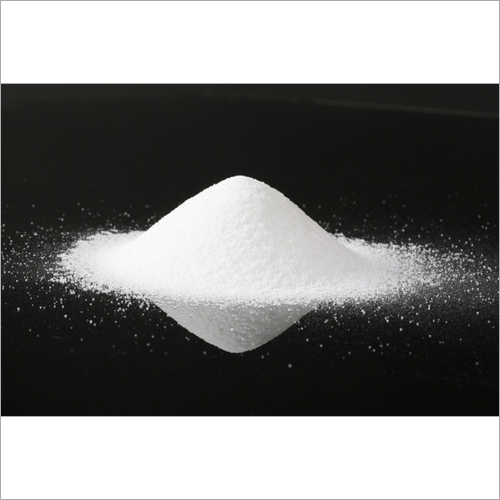
Also known as Nitrile Butadiene Rubber Powder, this specialty elastomer is a pre-crosslinked additive designed to enhance the properties of PVC, phenolic resins, and epoxy systems. Unlike standard rubber bales, Taprath's Tapryl range comes in a free-flowing powder form, ensuring easy dispersion and superior performance.
1. What is NBR Powder?
NBR Powder is a fully vulcanized (cross-linked) copolymer of Acrylonitrile (ACN) and Butadiene. It is produced by cryogenically grinding or chemically precipitating nitrile rubber into a fine mesh powder (typically 100-120 mesh).
The key to its performance lies in the ACN Content:
- High ACN (33-45%): Offers maximum resistance to fuels and oils. This is critical for industrial hoses and heavy-duty gaskets.
- Medium ACN (28-33%): Provides a balance of flexibility and low-temperature resistance, making it ideal for footwear and general molding.
2. Why Use Powder Instead of Bales or Liquids?
Unlike liquid additives or traditional rubber bales, the powder form offers distinct advantages during processing:
- Easy Dispersion: It mixes uniformly into PVC or Phenolic matrices without the need for heavy shearing equipment.
- No Migration: Unlike liquid plasticizers that "bloom" to the surface over time, NBR powder is a permanent modifier.
- Matte Finish: It provides a premium, dry-touch finish to extruded parts, removing the "plastic" feel.
3. NBR Powder for PVC Modification
One of the largest applications for NBR Powder is modifying PVC (Polyvinyl Chloride). Standard PVC is rigid and can become brittle over time as liquid plasticizers migrate out (a phenomenon known as "blooming").
Adding Tapryl NBR creates a permanent plasticizing effect:
| Property | Standard PVC | PVC + NBR Powder |
|---|---|---|
| Flexibility | Limited | High (Rubber-like feel) |
| Oil Resistance | Poor | Excellent |
| Compression Set | High (Deforms easily) | Low (Recovers shape) |
| Finish | Glossy/Sticky | Matte/Dry Feel |
Oil Swell Resistance (PVC vs PVC/NBR)
Adding 20% Tapryl reduces oil swelling by over 60%.
4. Role in Friction Materials
In the automotive sector, NBR Powder is critical for manufacturing brake pads, clutch facings, and linings. It acts as an impact modifier for the phenolic resin matrix.
- Noise Reduction: Absorbs vibration to prevent brake squeal.
- Wear Resistance: Reduces the specific wear rate of the pad.
- Stable Friction: Maintains performance even at high temperatures (fade resistance).
5. Frequently Asked Questions
Conclusion
Whether you are formulating a soft-touch dashboard skin or a high-performance brake pad, Tapryl NBR Powder offers the versatility and performance you need.
Looking for a supplier? Contact Taprath Elastomers for Technical Data Sheets (TDS) and samples.